Every fall, fans flock to their favorite team’s stadium (or maybe to a rival’s) to enjoy the gameday atmosphere that only college football can provide. With the number of people who pack the seats and the energy that blasts from the field to the top of the nosebleeds, you wouldn’t be wrong in believing these stadiums were built for the sole purpose of battling on the gridiron. While each school’s stadium has its own vibe and charming qualities, the ones included in this slideshow feel like pigskin palaces, true embodiments of the excitement and intensity of collegiate sports.
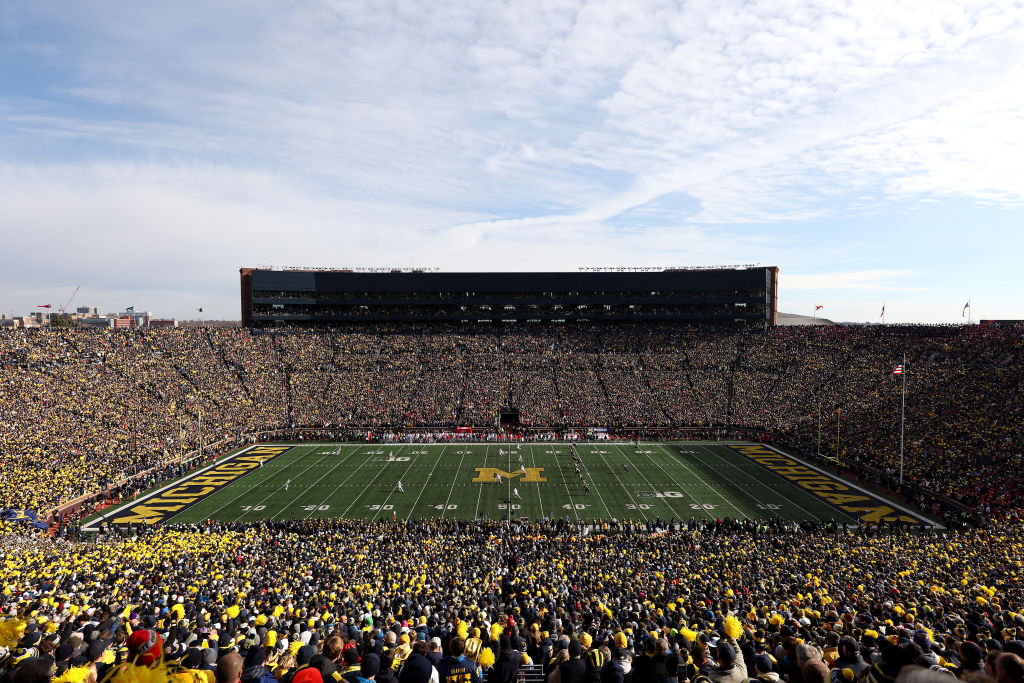
Michigan Stadium: Known as “The Big House,” Michigan Stadium has 107,601 seats, making it the largest college football stadium in America. It was opened in 1927 after legendary head coach Fielding Yost, winner of six national championships with the school, proposed a much larger stadium than the current Ferry Field to match the team’s expected success in the future. Since then, Michigan Stadium has expanded more and more, becoming the third-largest stadium in the whole world.
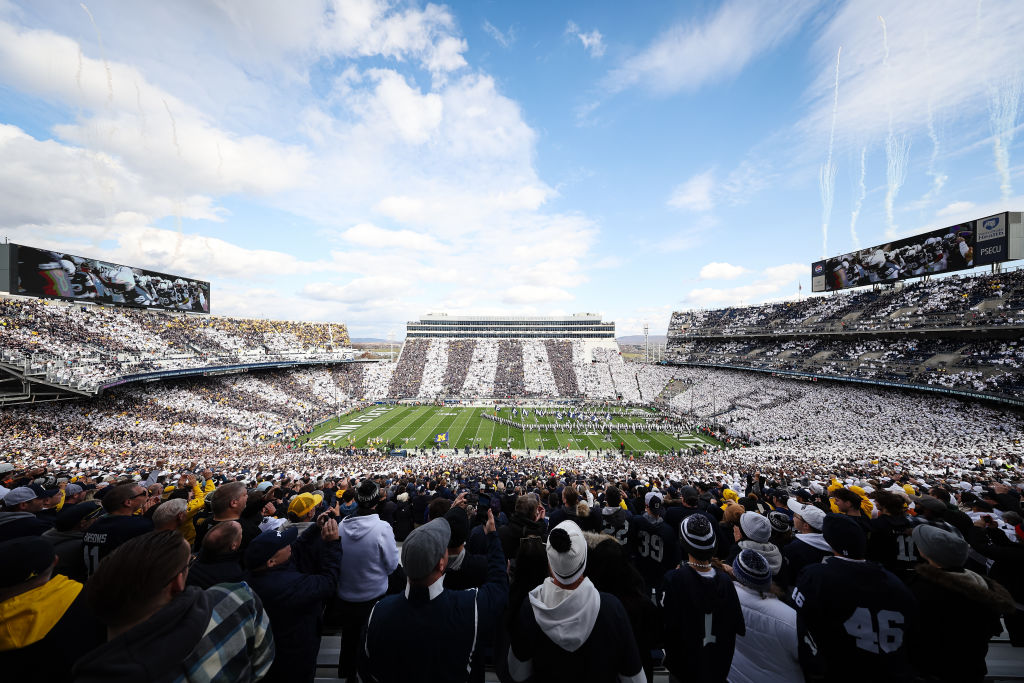
Beaver Stadium: Located at Penn State, Beaver Stadium holds 106,572 seats, a close challenger to conference rival Michigan. It began modestly as Beaver Field before being moved in 1960 and progressively renovated into what it is today, a raucous environment for all fans who enter.It’s notorious for “White Out” games, where opponents are surrounded by a visually stunning sea of white clothing worn by Penn State loyalists.
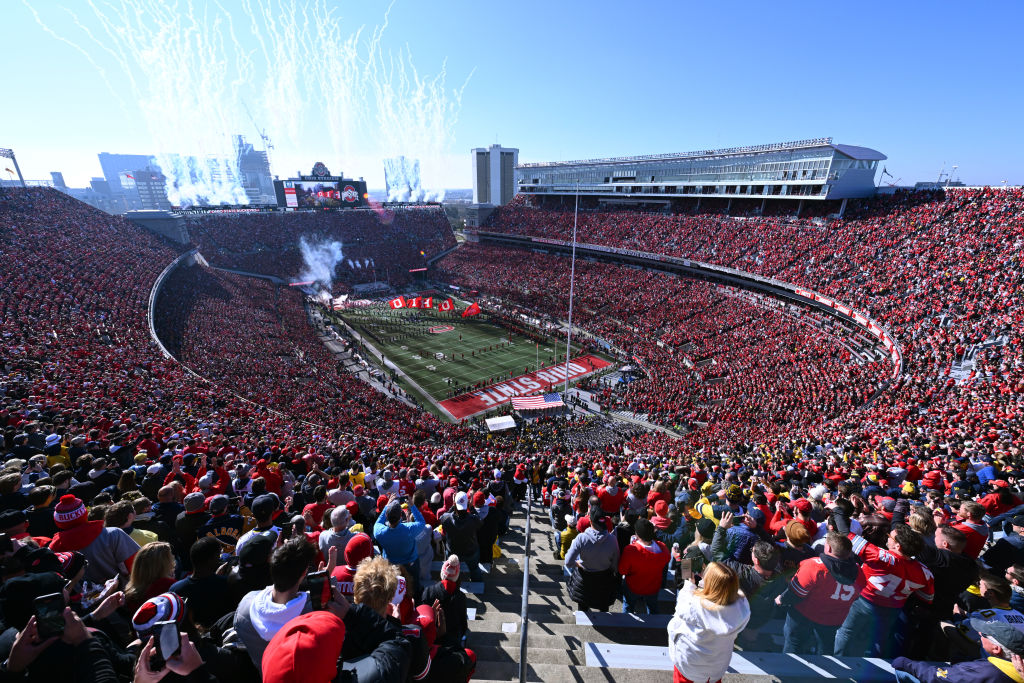
Ohio Stadium: Next on the list is the home of Ohio State, where the team plays in front of 102,780 fans. Its unique horseshoe shape is attributed to Ohio State graduate Howard Dwight Smith, who was tasked with building a much larger stadium than Ohio Field and proving that a local architectural team that honed its skills at Ohio State could build something that would live on in football lore. At the time, the stadium was designed with about 60,000 seats, a number that critics said was unnecessary, but later expansions have made it the third-largest in the country.Fans adorned in scarlet and gray and the marching band’s performance of the iconic “Script Ohio” contribute to an environment that can rattle even the most seasoned visiting teams.
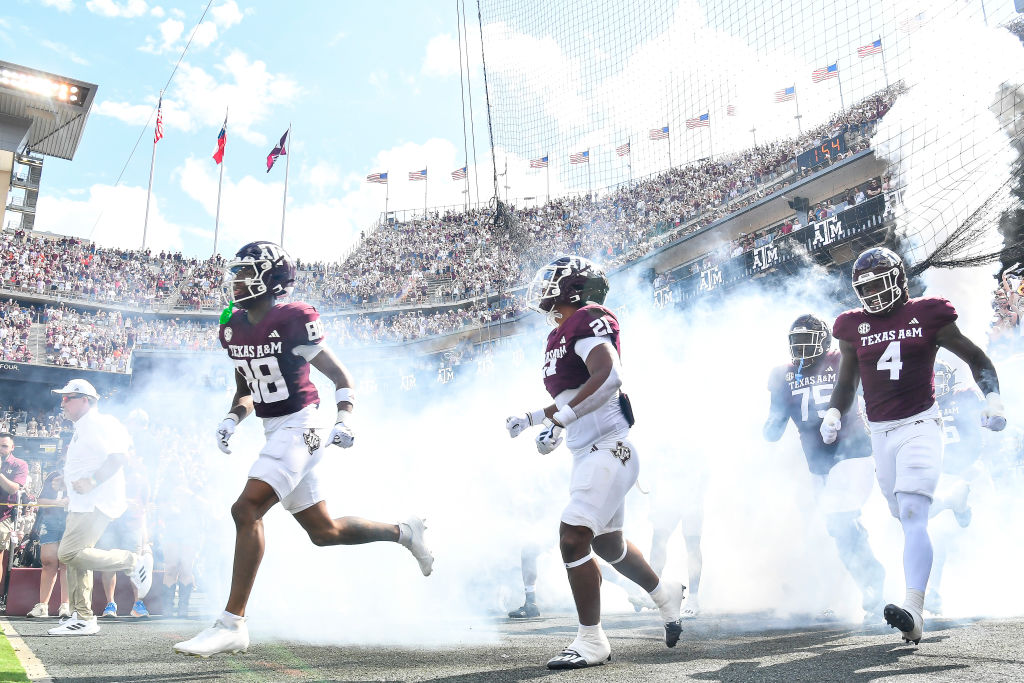
Kyle Field: Texas A&M’s stadium isn’t even 100 seats smaller than Ohio State’s building, so it has earned its spot as No. 4 on the list. The team has played there since the early 1900s, and hundreds of millions of dollars have been poured into its walls to transform it into a triple-decker stadium that fans love. Known as the “Home of the 12th Man,” the stadium’s fans are famous for their unwavering support and deafening noise levels as they stand throughout the game in collective spirit for their school.
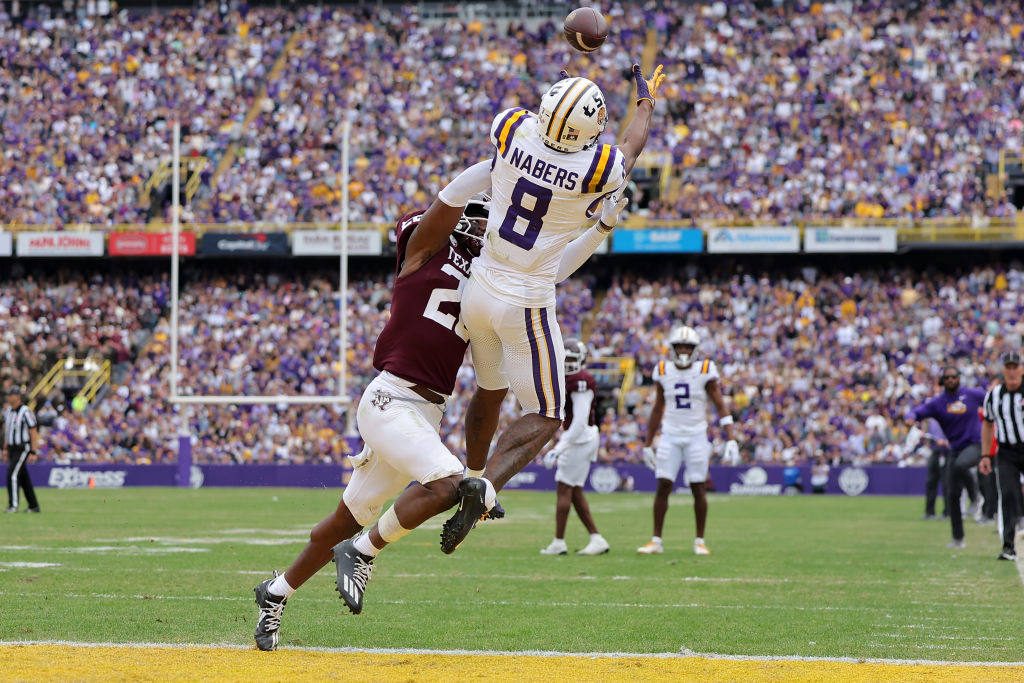
Tiger Stadium: LSU’s stadium in Baton Rouge, Louisiana, is more commonly known as Death Valley. It holds an astounding 102,321 people and is one of the most feared venues in college football, partly because of the passionate fans and also because of LSU’s formidable home win rate of well over 72%. This Thanksgiving will mark the 100-year anniversary of the stadium, which has been at the core of a rich history of players and fans who bleed purple and yellow.
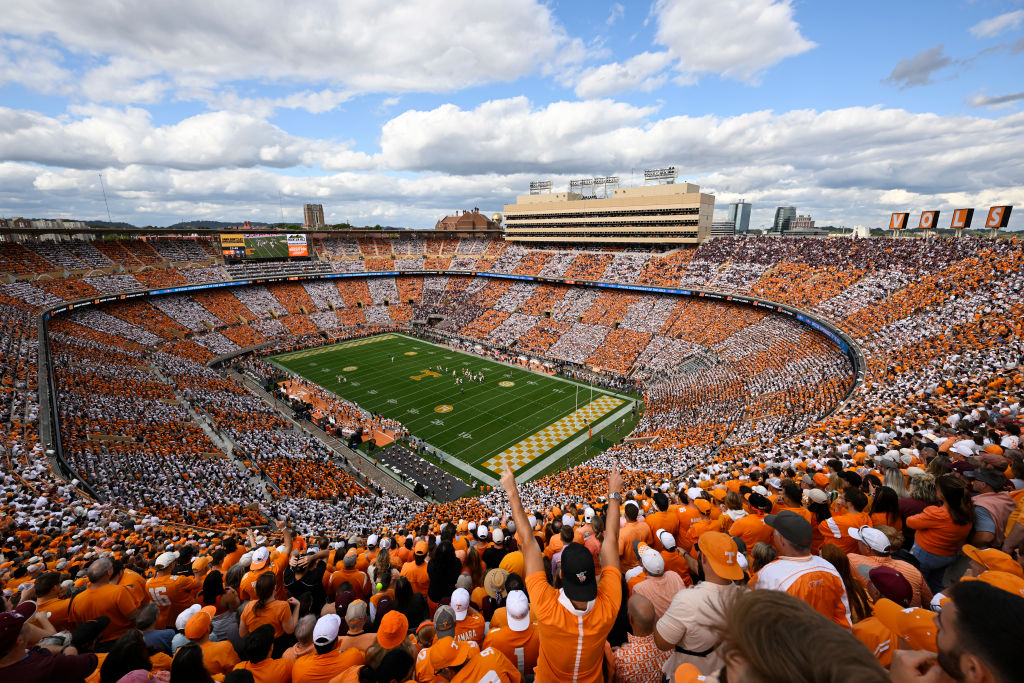
Neyland Stadium: Tennessee’s stadium is a sea of orange on gamedays, with a capacity of 101,915. It is over 100 years old and is named after former head coach Gen. Robert Reese Neyland, who brought several conference championships and national titles to the school during his time at the helm. He also led the team to two separate winning streaks of 33 and 28, which makes his name on the stadium a constant reminder of how tough it is for opponents to come out of Tennessee with a victory.
Bryant-Denny Stadium: When 101,821 fans clamor into Alabama’s stadium, it makes for a rowdy gameday experience. This football mecca has stood since 1929, named after former school president George Denny and legendary coach Paul “Bear” Bryant. The university has announced that the field within Bryant-Denny Stadium will carry the name of recently retired coach Nick Saban, who led the team to a 206-29 record, 16 bowl wins, and six national championships.
Darrell K Royal–Texas Memorial Stadium: Football is life in Texas, so it’s only right that this state claims two of the largest college football stadiums in the country. Able to hold just over 100,000 fans, the University of Texas’ base has been extremely friendly to the home team, which has compiled a record of 112-33 since 2000. It is named after former coach Darrell K. Royal, who also served in the U.S. Army Air Corps, and it is dedicated to the many Texans who bravely fought in World War I.
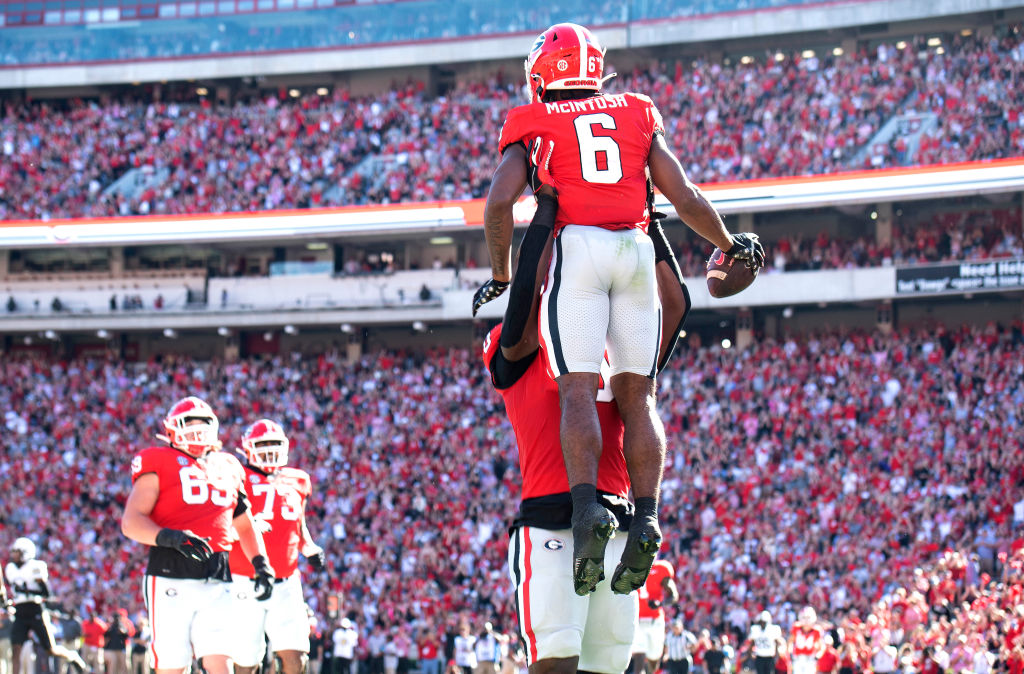
Sanford Stadium: Georgia’s home stadium in Athens holds more than 92,000 people now, aligning with the former university president Steadman Vincent Steadman’s goal of building a bigger stadium than state rival Georgia Tech. The field itself is also unique in that it is surrounded by privet hedges, a classic and beautiful feature that endures every expansion.
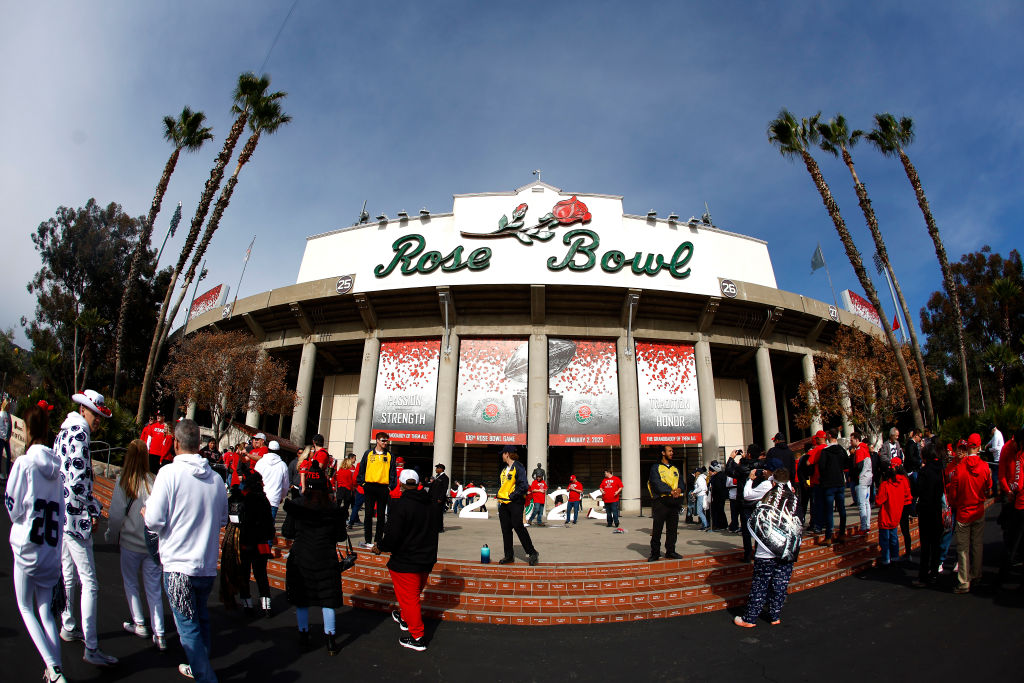
The Rose Bowl: This iconic stadium in Pasadena, California, holds 91,136 seats that have been filled with crowds who have watched some of the most legendary games in history. Although it is the official home of UCLA, the Rose Bowl also hosts the annual Tournament of Roses festivities as well as college football postseason games.
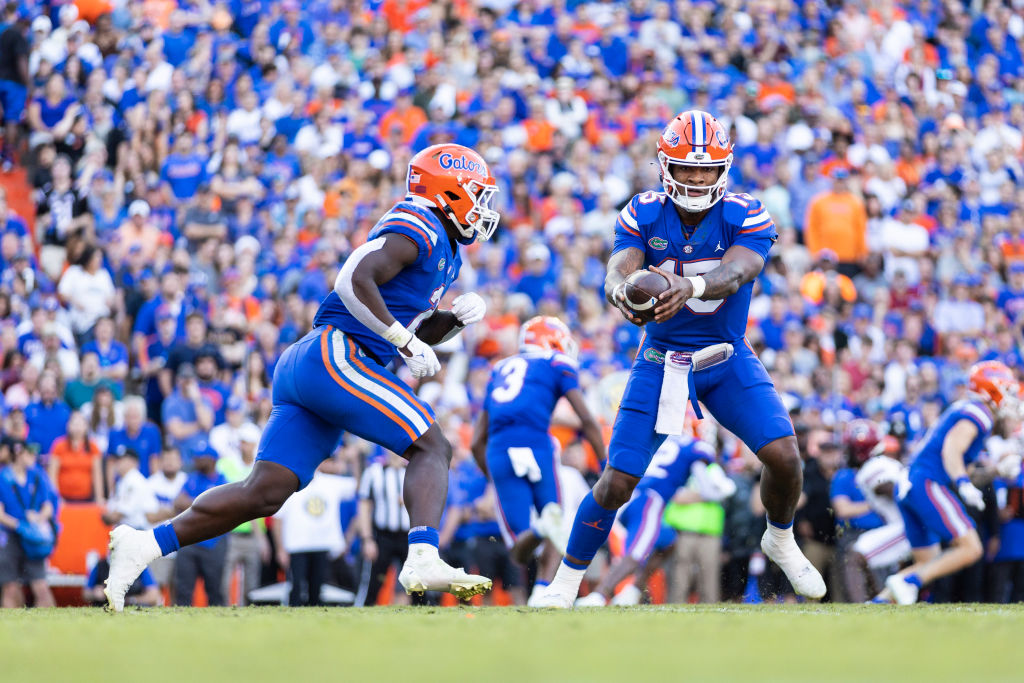
Ben Hill Griffin Stadium: The Swamp in Gainesville, Florida,now has a capacity of 88,548, but it began as just a 21,000-seat stadium that went 32 rows deep. It’s named after a long-time supporter of the school and a very generous donor over the years. However, if its nickname sounds nasty, that’s because it is. Florida’s home field is notorious for its heat and humidity, which can be grueling for visiting teams. The Swamp’s passionate fans, deafening noise levels, and sticky climate can overwhelm opponents who are not ready for it.
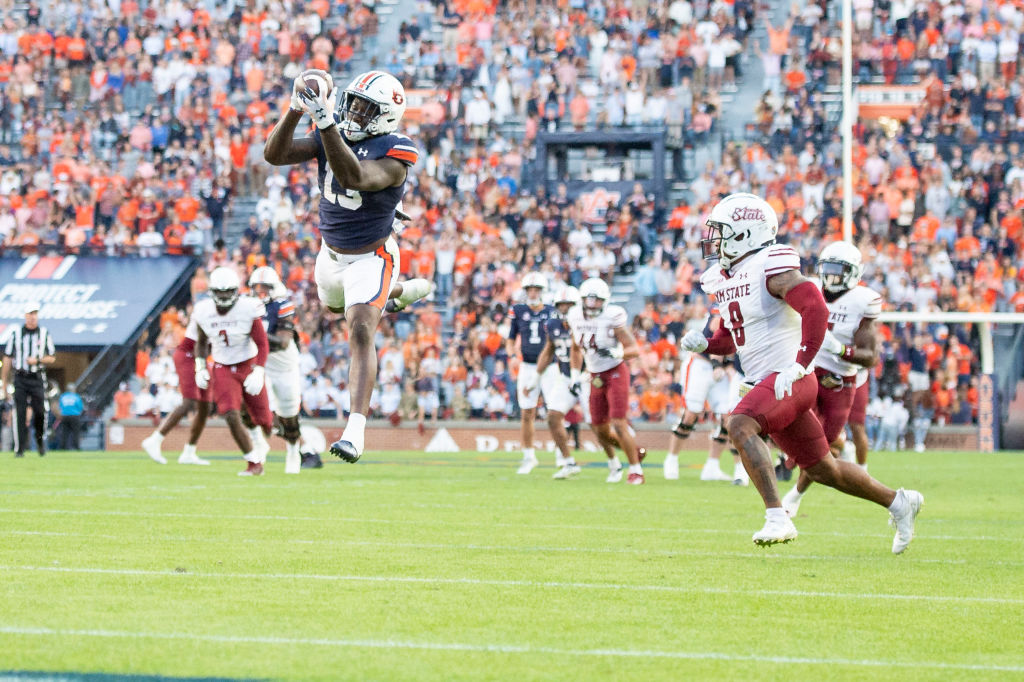
Jordan-Hare Stadium: A little over 88,000 fans can fit into this stadium in Auburn, Alabama, which was built in 1939. There is a lot of history packed into this venue that’s named after the school’s coaching wins leader, Ralph “Shug” Jordan, and a member of the very first Auburn football team, Clifford Leroy Hare. The field itself is named after head coach Pat Dye, who earned four SEC championships and compiled a 99-39-4 record during his time with the team.
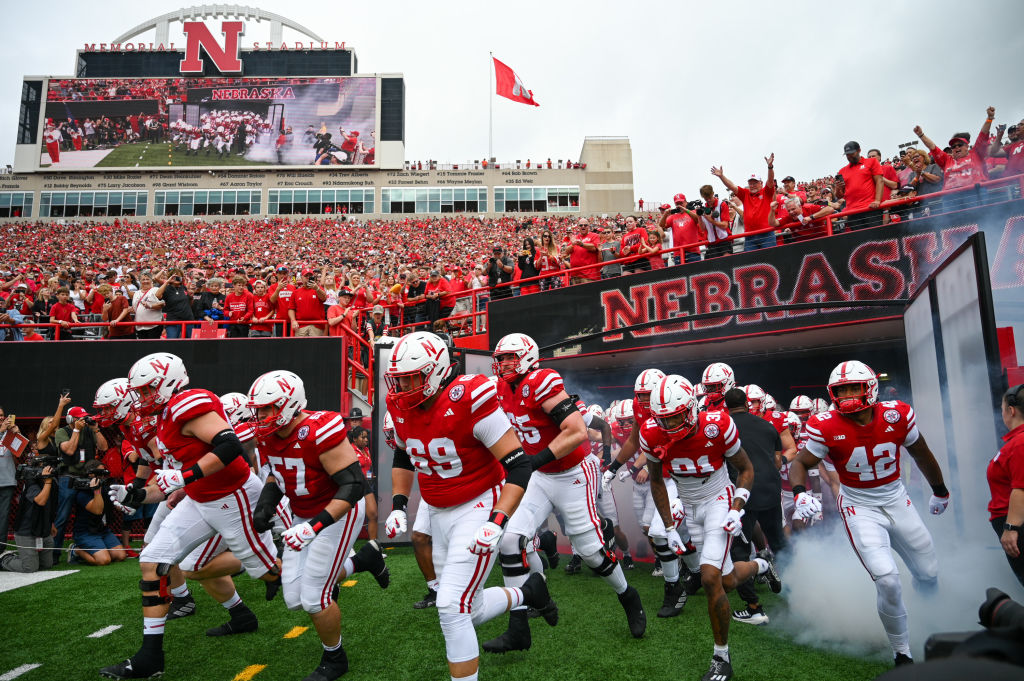
Memorial Stadium: Welcome to Lincoln, Nebraska, a venue literally built by the people who supported the team most. This stadium, which now holds 85,458 people, didn’t use any state money to build. On the contrary, students, staff, alumni, and donors funded it to replace Nebraska Field. It is dedicated to those who risked and sacrificed their lives for the U.S. in World War I, and since 1923, it has been a place filled with passion for football. In fact, entering the 2024 season, there have been 396 consecutive sellout crowds here.
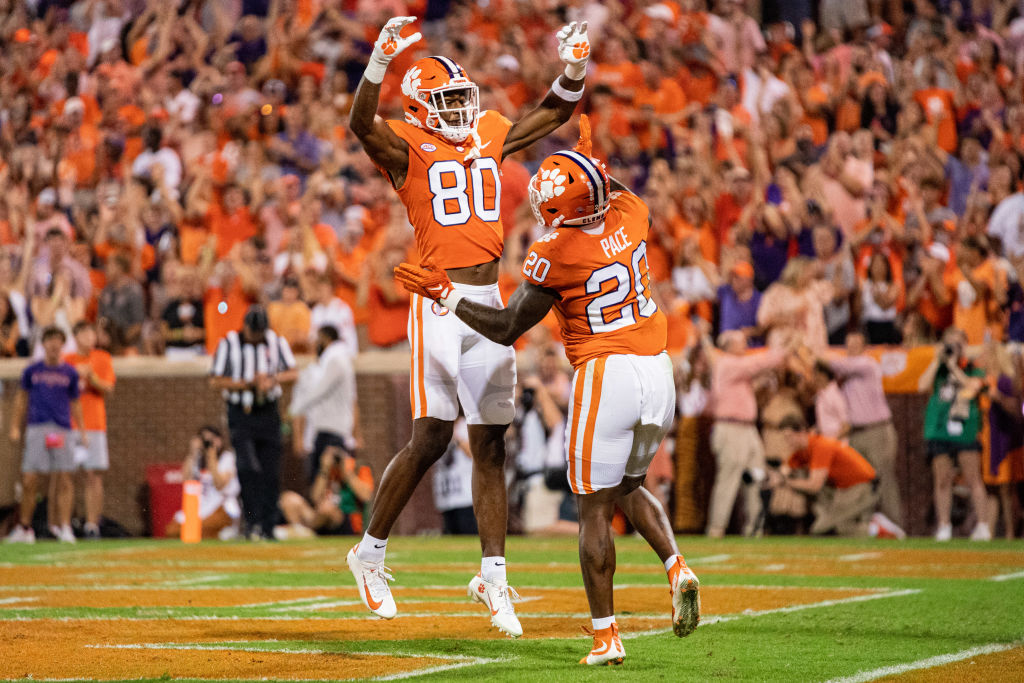
Clemson Memorial Stadium: 81,500 fans are now welcome inside Clemson’s home stadium, which has quickly expanded since its humble 20,000-seat beginning in 1942. In the center is Frank Howard Field, who was known for experimenting often with the offense but never wavering in his winning ways. He finished his 30 years of coaching the team with 165 wins, 118 losses, and 12 ties.
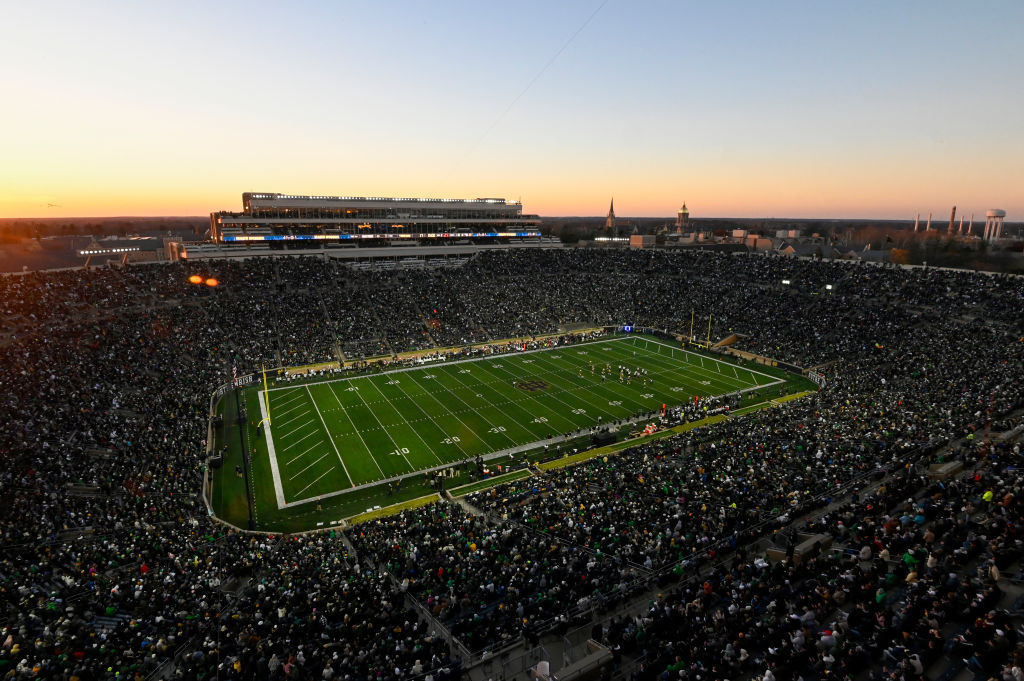
Notre Dame Stadium: The House that Rockne Built in South Bend, Indiana, with a capacity of 80,795, is steeped in tradition. It is named after head coach Knute Rockne, who led the team to a record of 105-12-5 and three national championships. The combination of history and passion create an environment there that’s as challenging as the process of perfecting that hew of gold on the Notre Dame players’ helmets.
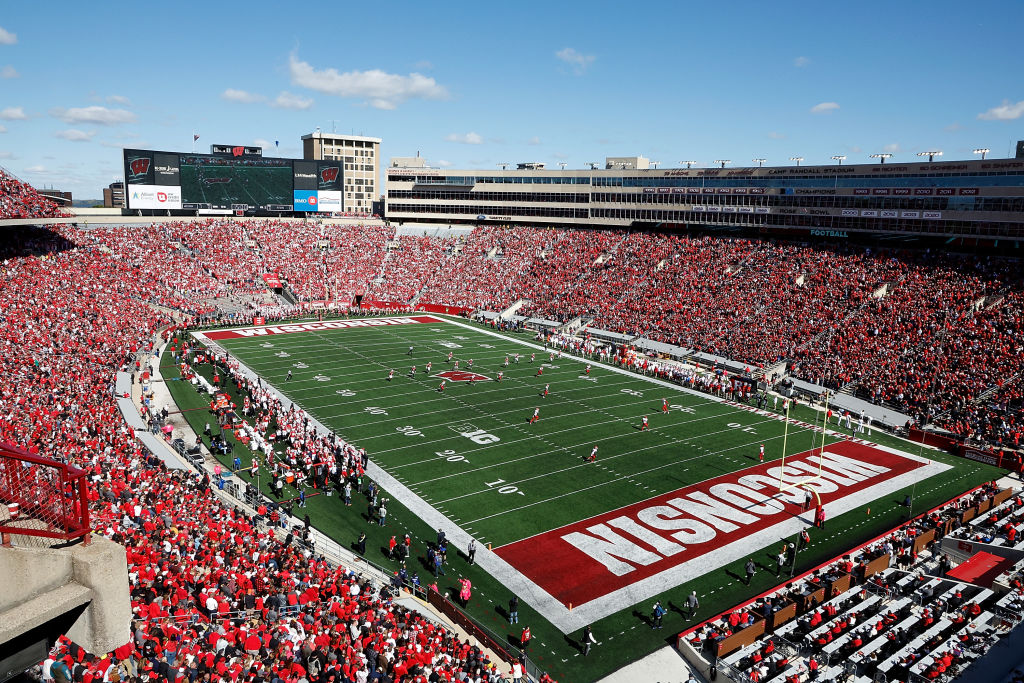
Camp Randall Stadium: Camp Randall Stadium saw its first game played there in 1917, although its history is much older than that. The property used to be the site of the annual state fair before it became a military training base during the Civil War. Eventually the land and facility was given to the University of Wisconsin, which renovated it into a concrete building that has developed into a stadium that now seats over 80,000 people.
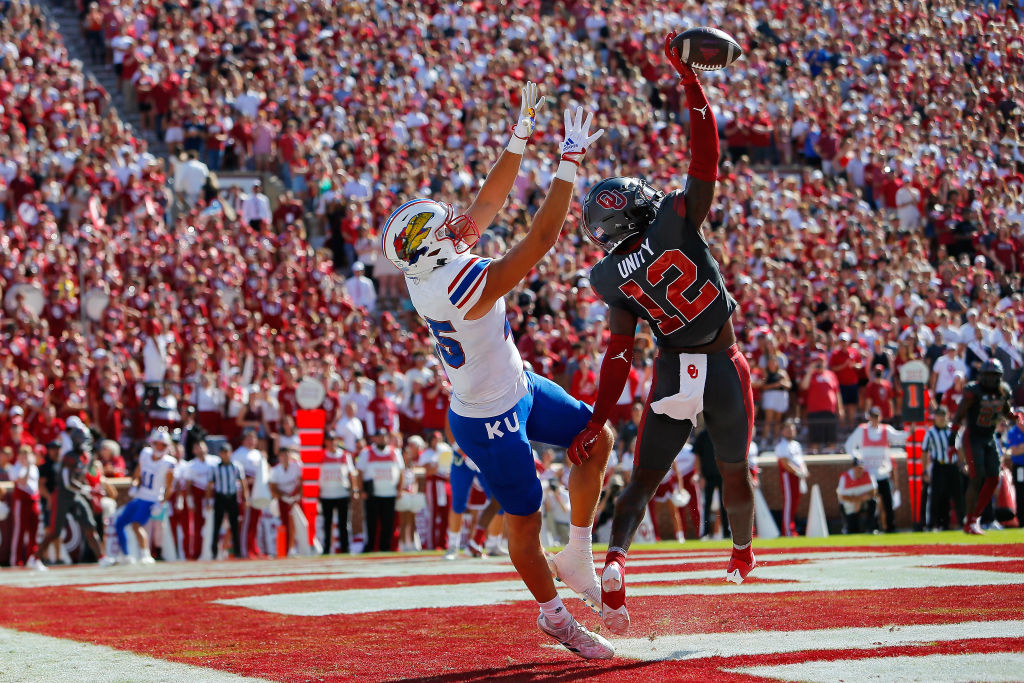
Gaylord Family Oklahoma Memorial Stadium: This venue originally was just Owen Field, named after one of the school’s legendary head coaches Bennie Owen. Eventually a stadium was built around the field, and through numerous renovations, the seating capacity grew from 16,000 to over 80,000.The stadium was named in honor of the Gaylord family, significant benefactors of the university, and in memory of the students and alumni who served in World War I.
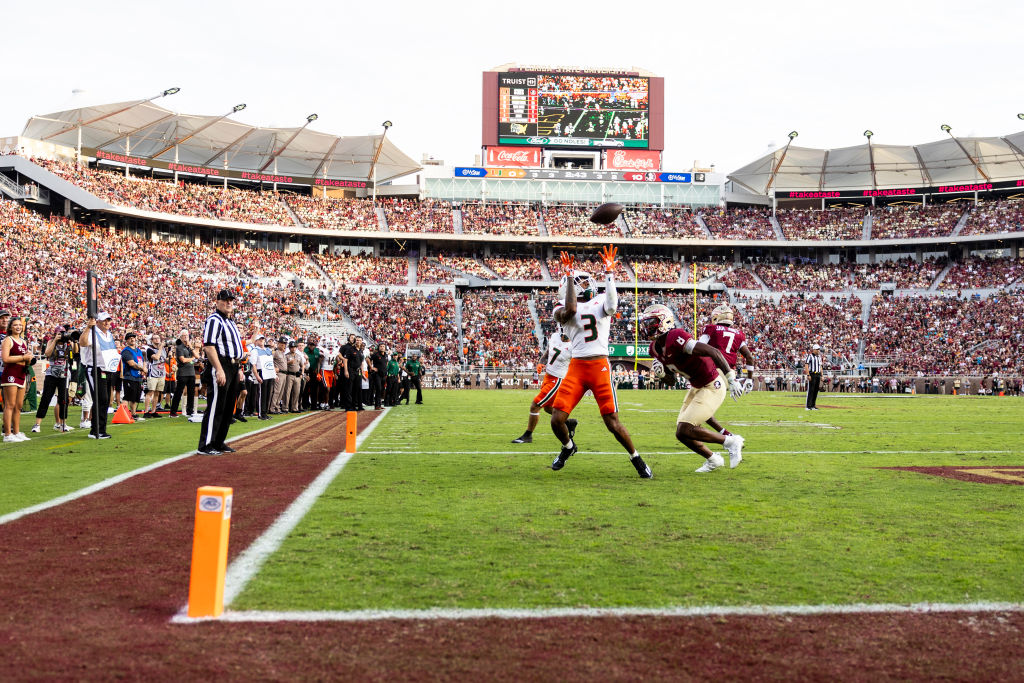
Doak Campbell Stadium: Opened in 1950, Doak Campbell Stadium is the home of Florida State. Named after the university’s president at the time, the stadium originally seated 15,000 but has since expanded to accommodate over 79,000 fans. The venue is known for its iconic brick facade and the “Unconquered” statue, symbolizing the spirit of the Native American tribe represented by the team’s mascot.
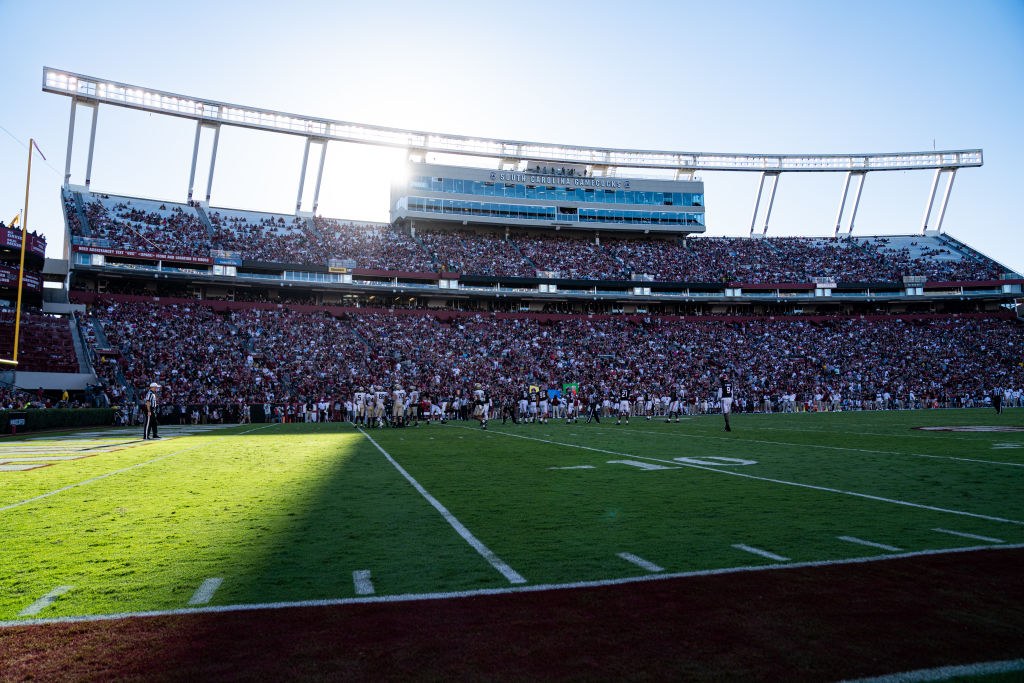
Williams-Brice Stadium: Williams-Brice Stadium, located in Columbia, South Carolina, opened in 1934 and has undergone several expansions to seat over 77,000 fans. The stadium is named after Thomas Hardin Brice, a former football player at the university, and his wife Martha Williams-Brice, whose estate helped increase the venue’s seating capacity.
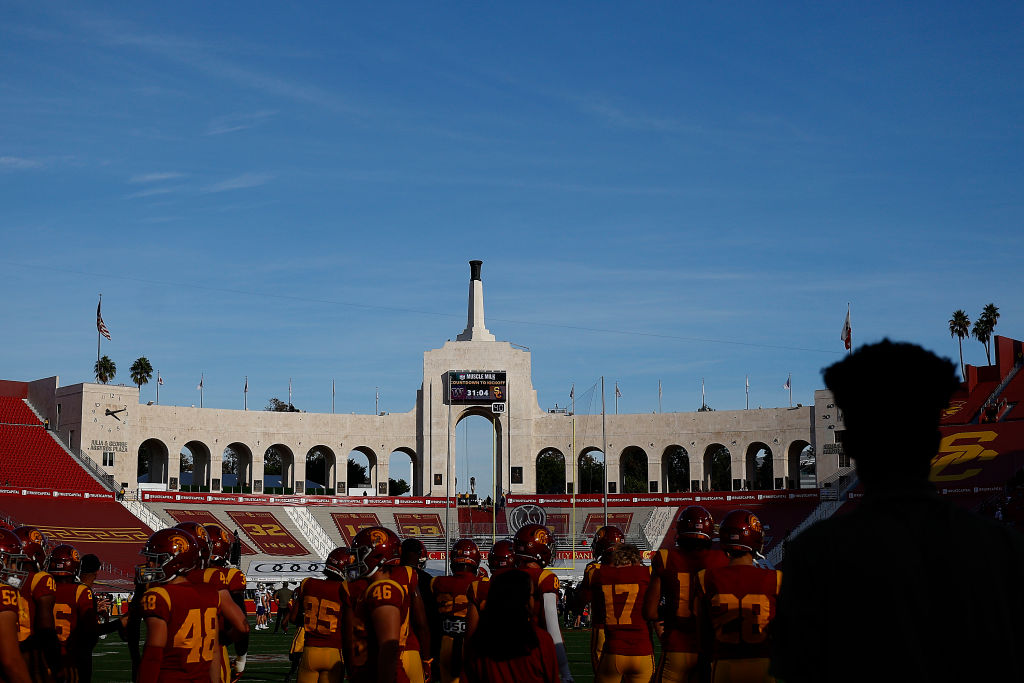
Los Angeles Memorial Coliseum: The Los Angeles Memorial Coliseum, opened in 1923, is an iconic venue not only for USC football but also for its rich history, including hosting the Summer Olympics in 1932 and 1984. The stadium has a seating capacity of over 77,000 and is a National Historic Landmark. It’s also touted as the “Greatest Stadium in the World.”
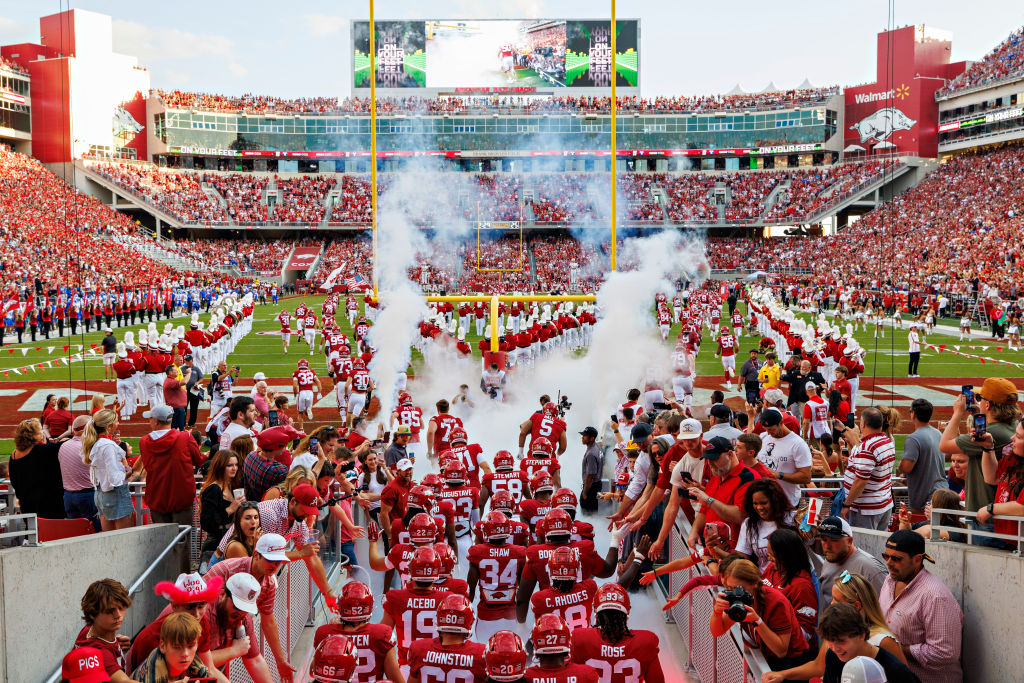
Donald W. Reynolds Razorback Stadium: Opened in 1938, Donald W. Reynolds Razorback Stadium is the home of the University of Arkansas football team. The stadium is named after philanthropist Donald W. Reynolds, whose foundation donated $20 million to help with renovations that were going over budget at the time. As of now, this stadium holds over 76,000 fans and is highlighted by the “Calling of the Hogs” tradition, a farmer-inspired chant that goes like, “Wooo, Pig, Sooie!”
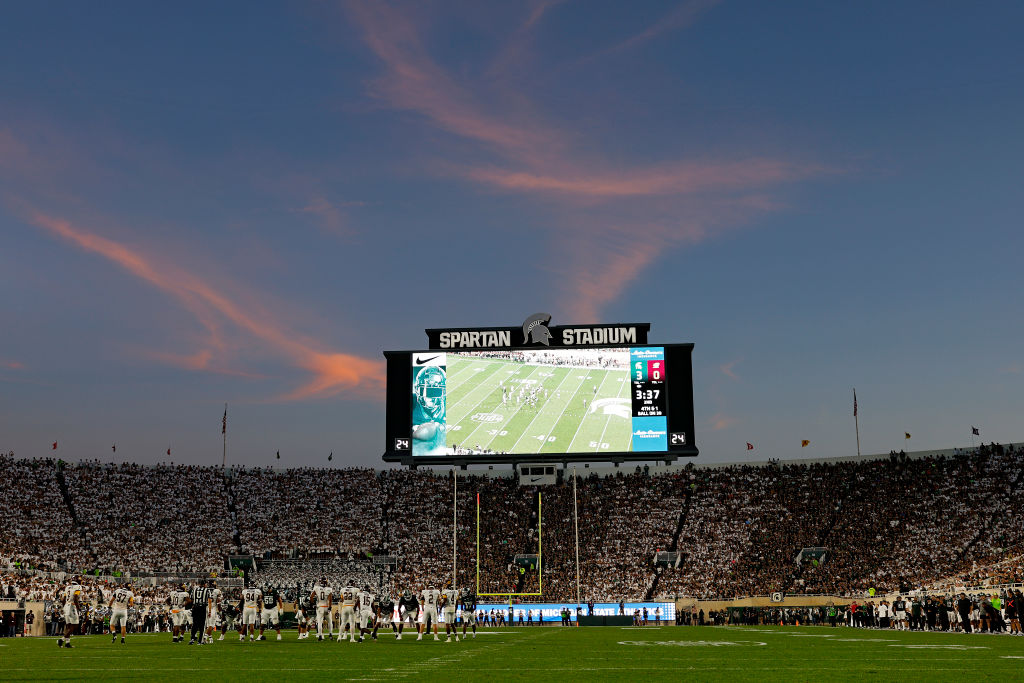
Spartan Stadium: Spartan Stadium opened in 1923 and is located in East Lansing, Michigan. With a seating capacity of around 75,000, the stadium has been the site of many memorable Michigan State football moments. It’s also known as “The Woodshed,” a term used for a place where the hard work of the daily grind happens.
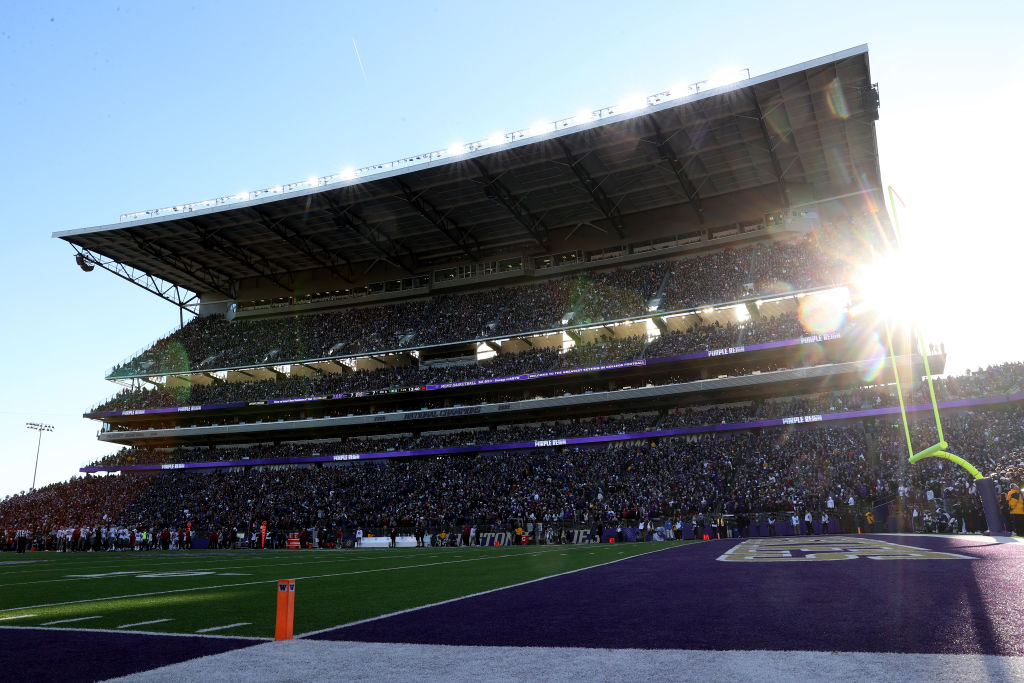
Husky Stadium: Husky Stadium in Seattle, Washington, with a capacity of 70,138, is renowned as The Greatest Setting in College Football because of its breathtaking views and intense atmosphere. Often rainy on gamedays, the stadium’s design amplifies the crowd noise to a thunderous roar that opponents face with dread.
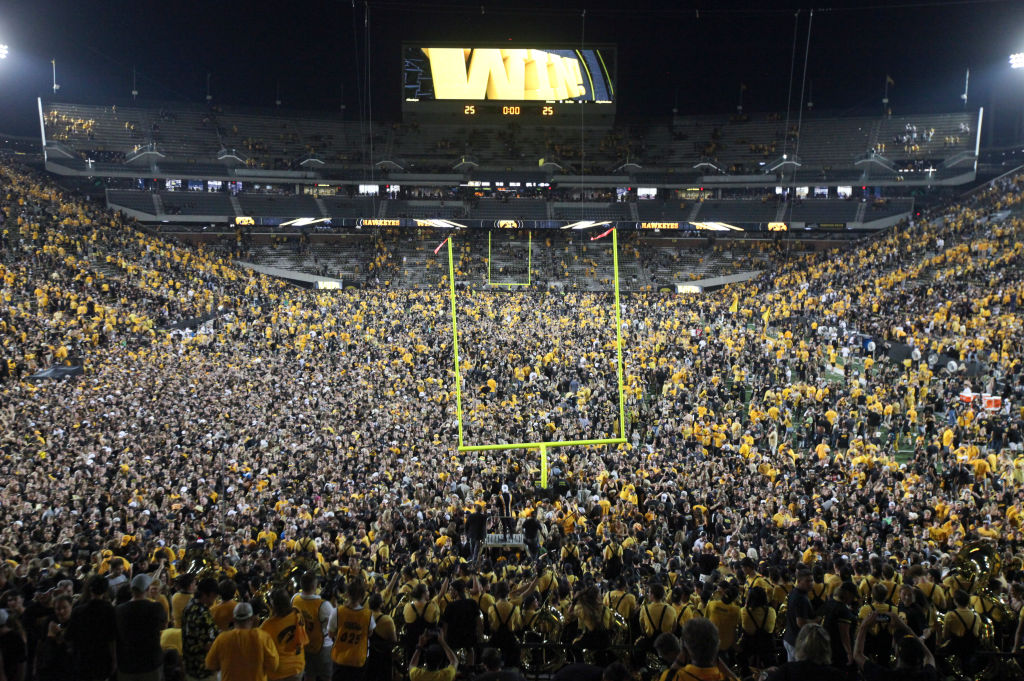
Kinnick Stadium: Kinnick Stadium, named after 1939 Heisman Trophy winner Nile Kinnick, opened in 1929 in Iowa City. The stadium seats almost 70,000 and is known for its pink visitor’s locker room, a taunt initiated by former coach Hayden Fry, as well as the “Iowa Wave,” a gesture of support to the nearby children’s hospital.
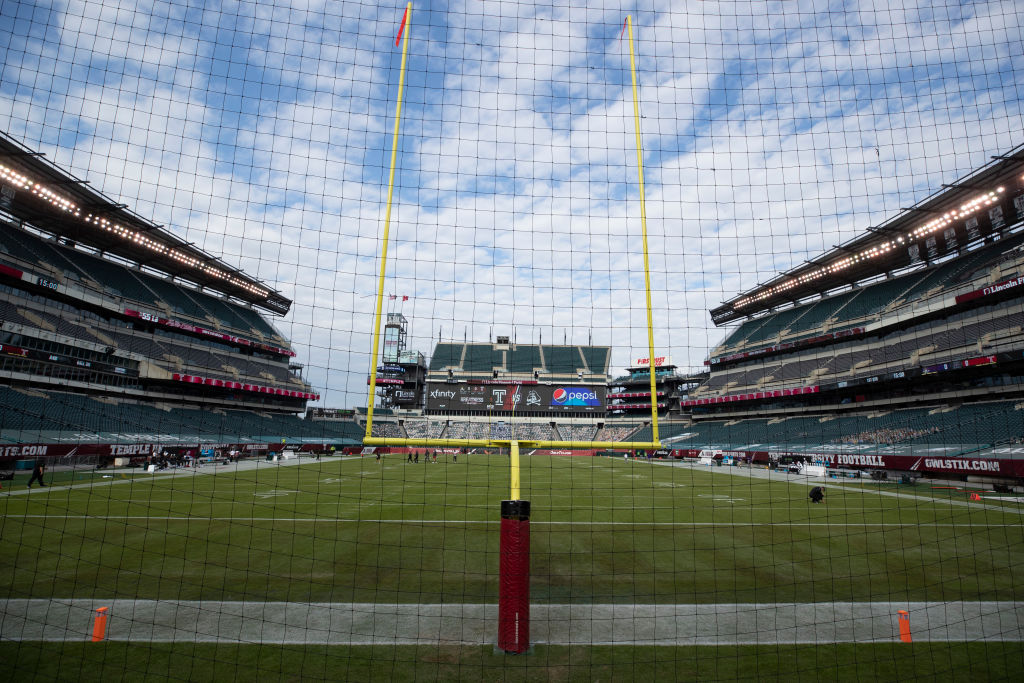
Lincoln Financial Field: Rounding out the list of large stadiums is Temple’s home venue in Philadelphia. Since 2003, the college team has played its games in the same place as the city’s pro football team, which means this stadium is loaded with modern amenities that’ll make sports lovers happy.